




Wildlife Lake
Social Media:
Meet Our Residents
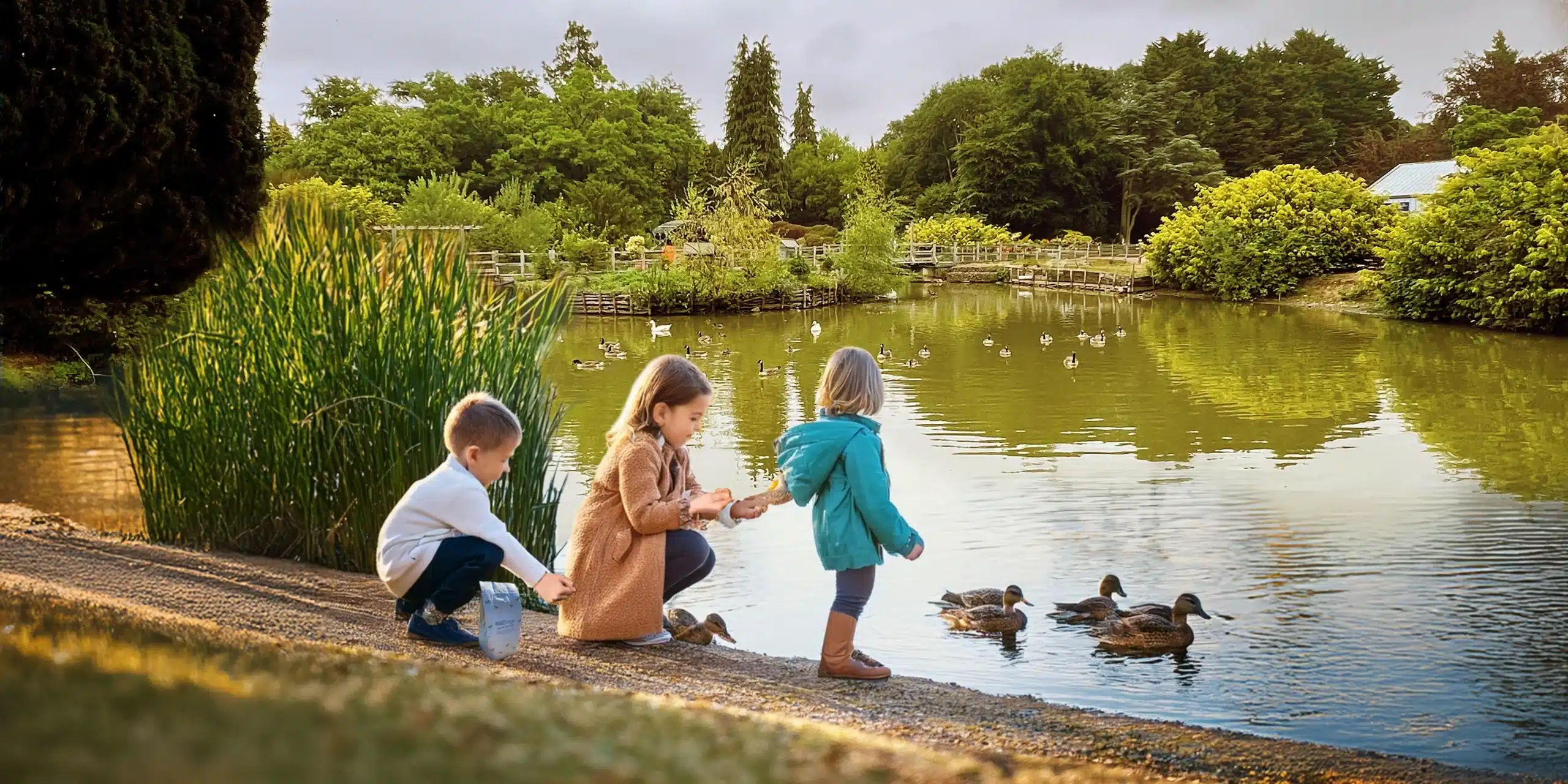
Nestled in the heart of Vanstone Park Garden Centre, Wildlife Lake is a thriving habitat for a wide variety of birds and waterfowl. From the graceful Greylag Goose to the curious Moorhen, the lake provides a safe haven for both native and visiting species all year round. Whether you’re a keen birdwatcher or just enjoy peaceful moments by the water, there’s always something fascinating to spot here. Explore some of the wonderful wildlife that calls our lake home below.
Quick Links
Quirky Fact 🪶
Moorhens may look shy, but they’re amazing nest builders. Their nests often float right on the water — like little raft homes!
Geese on the Lake
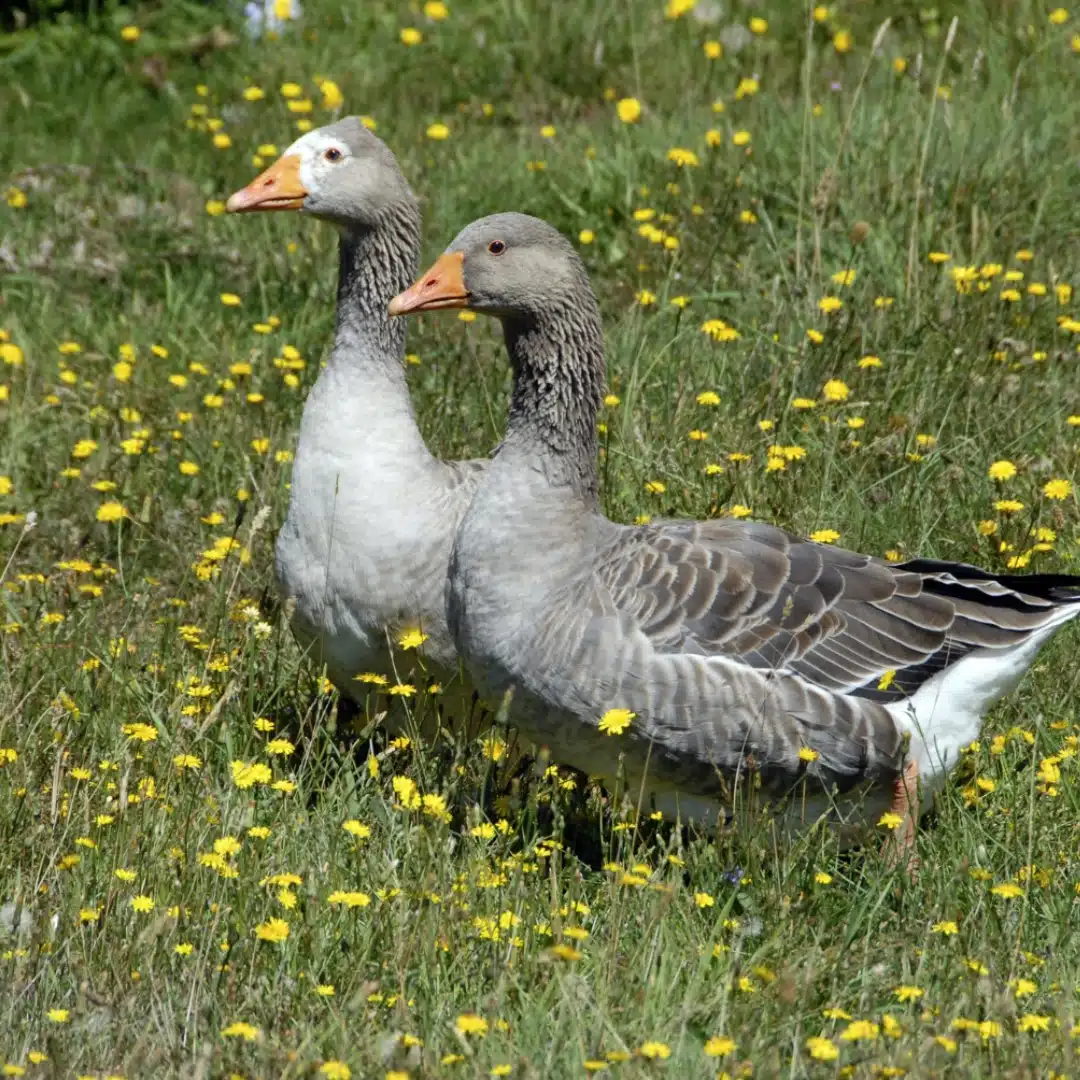
Greylag Goose (Anser anser)
The large size and pale feathers of the greylag distinguish it from other Anser geese. The heavy bill is orange and the legs are pink. It has very pale upperwings in flight. The only native species of goose to breed in Britain, but numbers in winter are increased by Icelandic birds. Greylags are the ancestors of most domestic geese breeds, thought to have first occurred around 3000 years ago in Ancient Egypt.
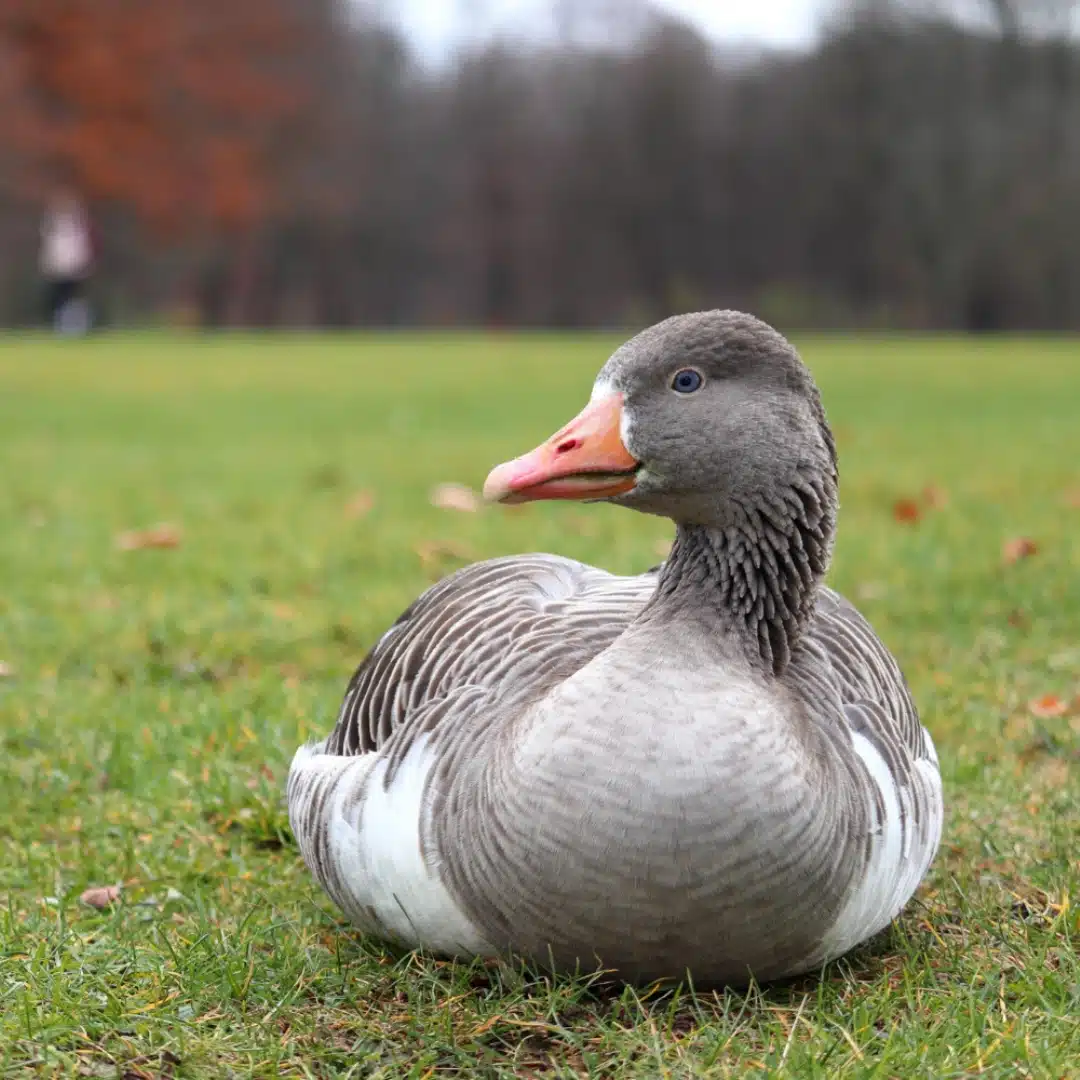
Domestic Greylag Goose (Anser anser)
The Greylag Goose, a native of northern and central Eurasia, has been domesticated and raised for meat for over 1,000 years. It can be white, completely gray (like the wild form), or somewhere in-between. Dozens of domestic breeds exist, with lots of variation in size and coloring. (In some the coloring is sex-linked, with females having gray patches and the males always white!)
Their necks are thick, their bodies are very bulky with extreme bellies on land and a big butt on the water. Their bills tend to be thickened at the base behind the nostrils. Compare this face with a real Greater White-fronted Goose and you’ll see a quite different profile.
Domestic geese can be any colour between completely grey (wild type) to completely white, but they are always big and blocky with a different bill shape.
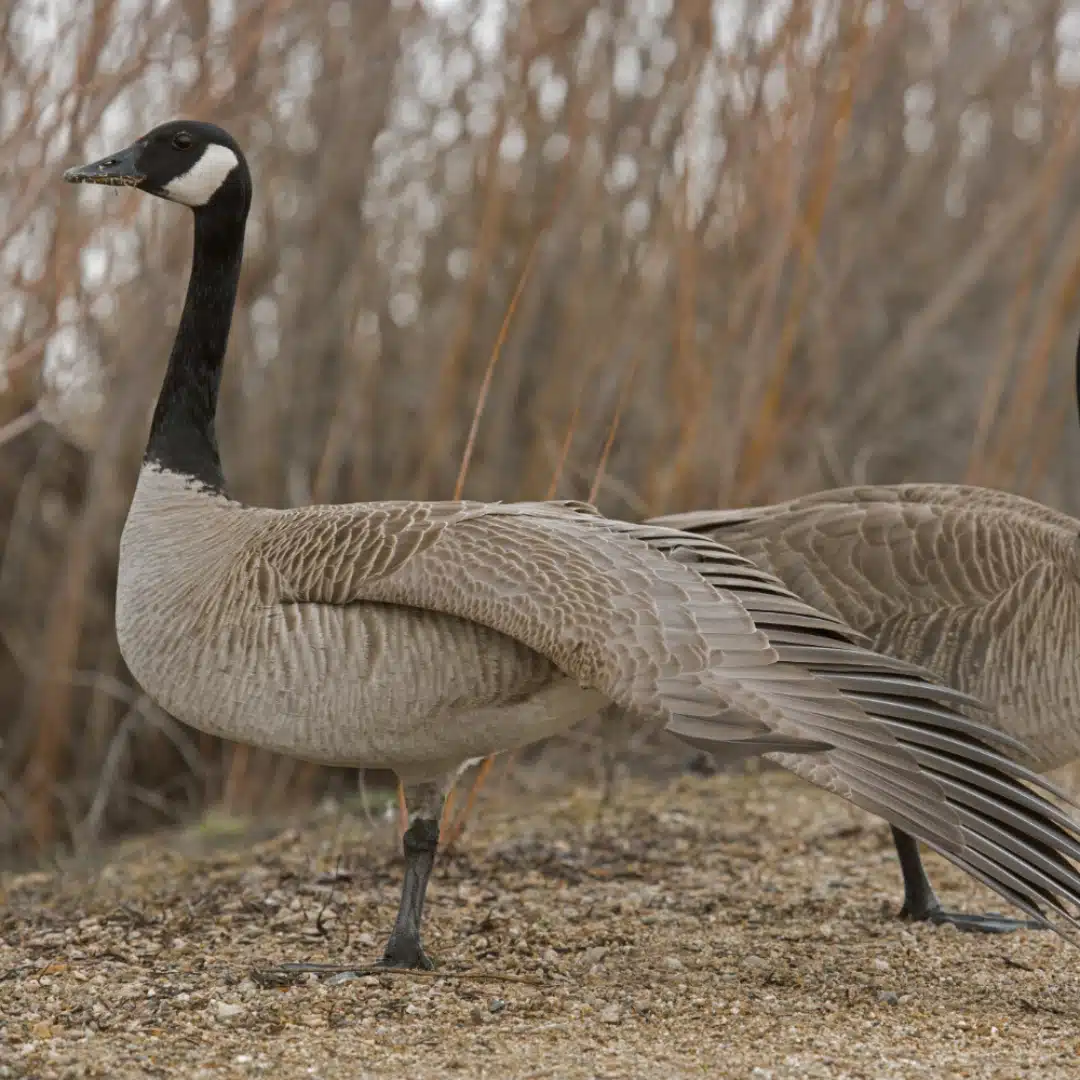
Canada Goose (Branta Canadensis)
Light brown in colour with a pale chest, black neck and face. A wide white patch stretches under the neck. First introduced from the Americas in the 17th century, these birds are now a familiar site both in parks and nature reserves across the country. They’re our largest goose and often aren’t afraid to say hello!
We have had over 20 goslings this year.
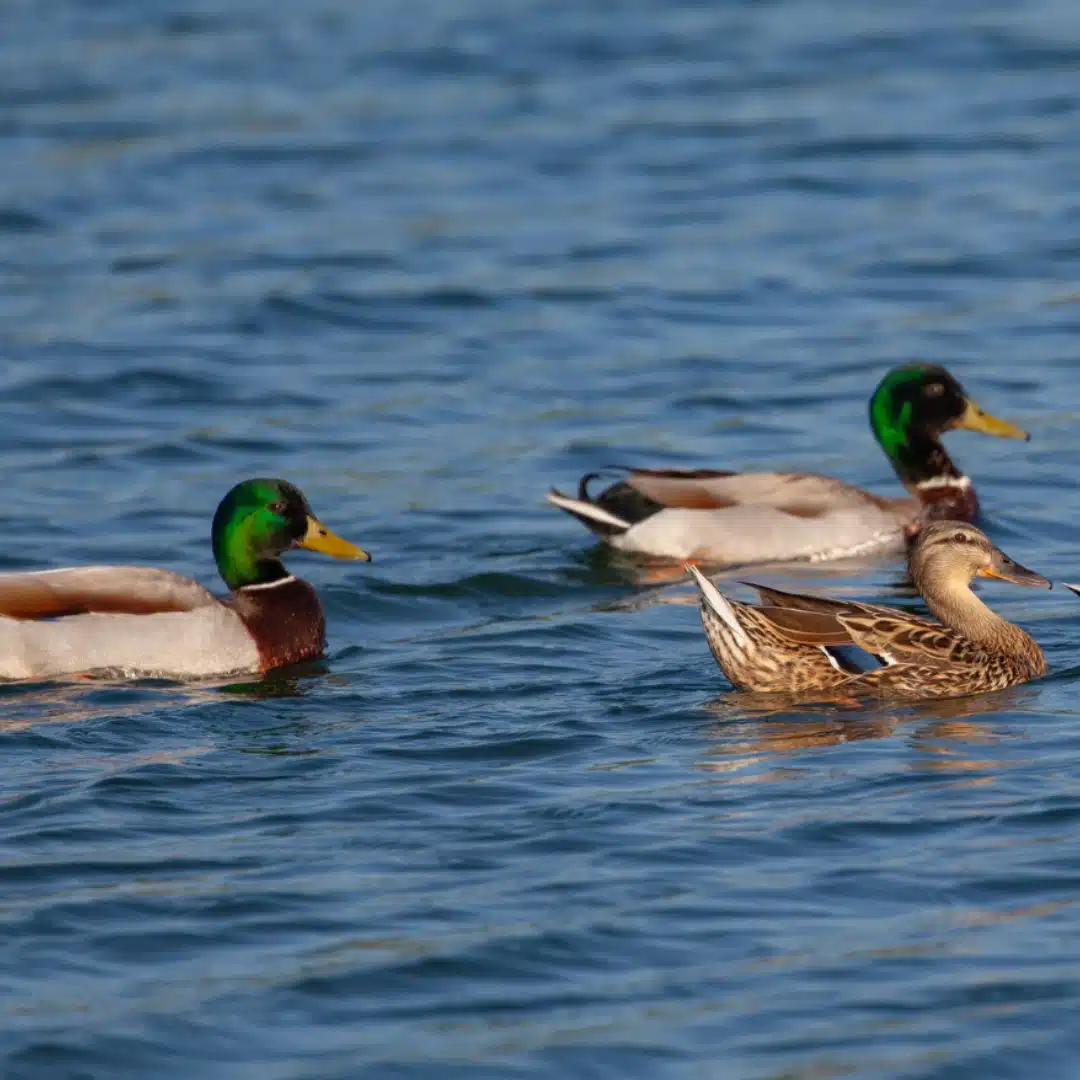
Mallard
The much-loved mallard is our most familiar duck, found across town and country. If you’re feeding the ducks please don’t feed them bread – it’s not good for them! Instead, they love eating sweetcorn, lettuce, oats and seeds.
Scientific name: Anas Platyrhynchos
When to see: January to December
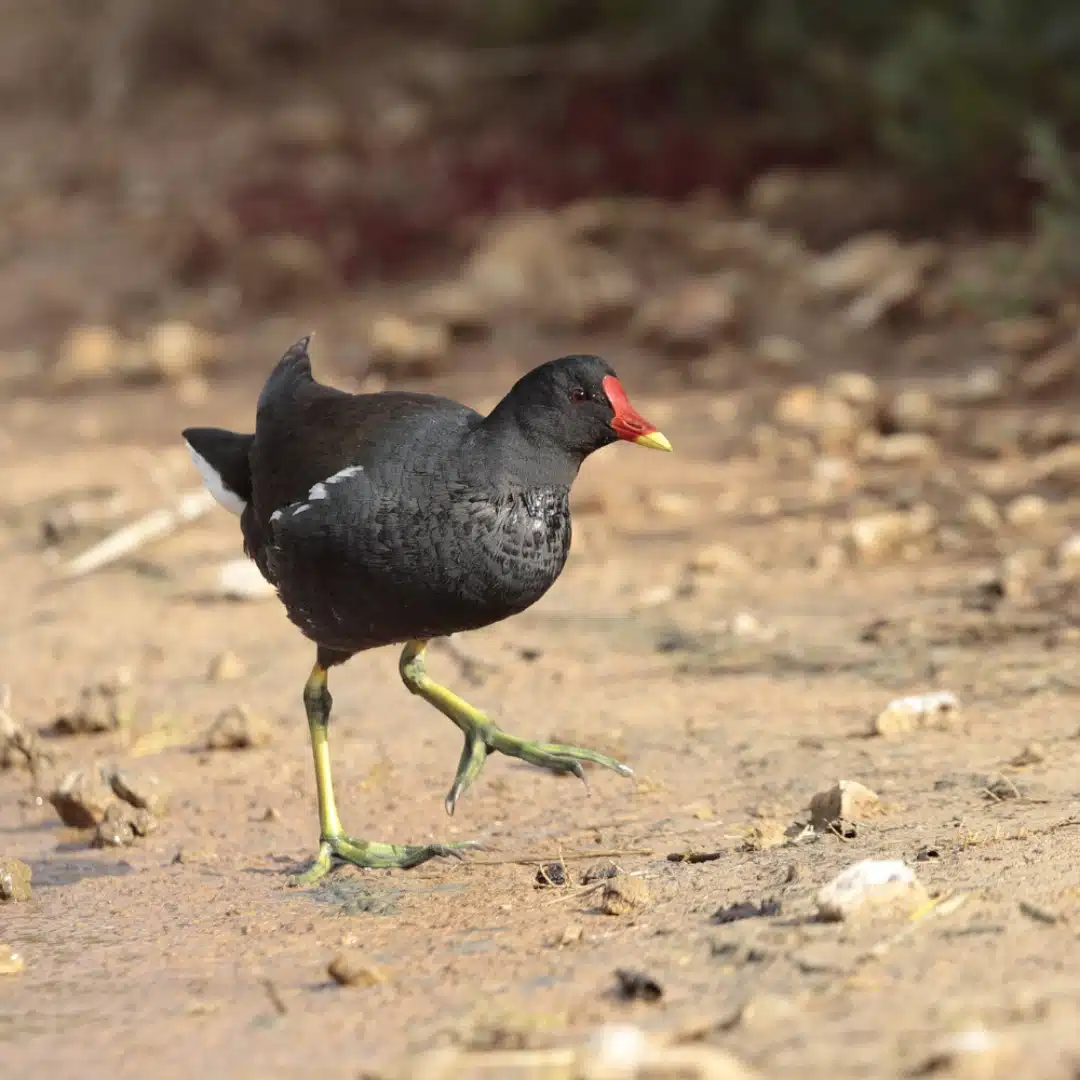
Moorhen
A familiar black bird of our lakes, ponds and rivers, the moorhen is widespread; look out for its large and untidy-looking nest on the water in spring. It can be distinguished from the similar coot by its yellow legs, red beak and the white patches on its body.
Scientific name: Gallinula chloropus
When to see: January to December
Occasional Visitors
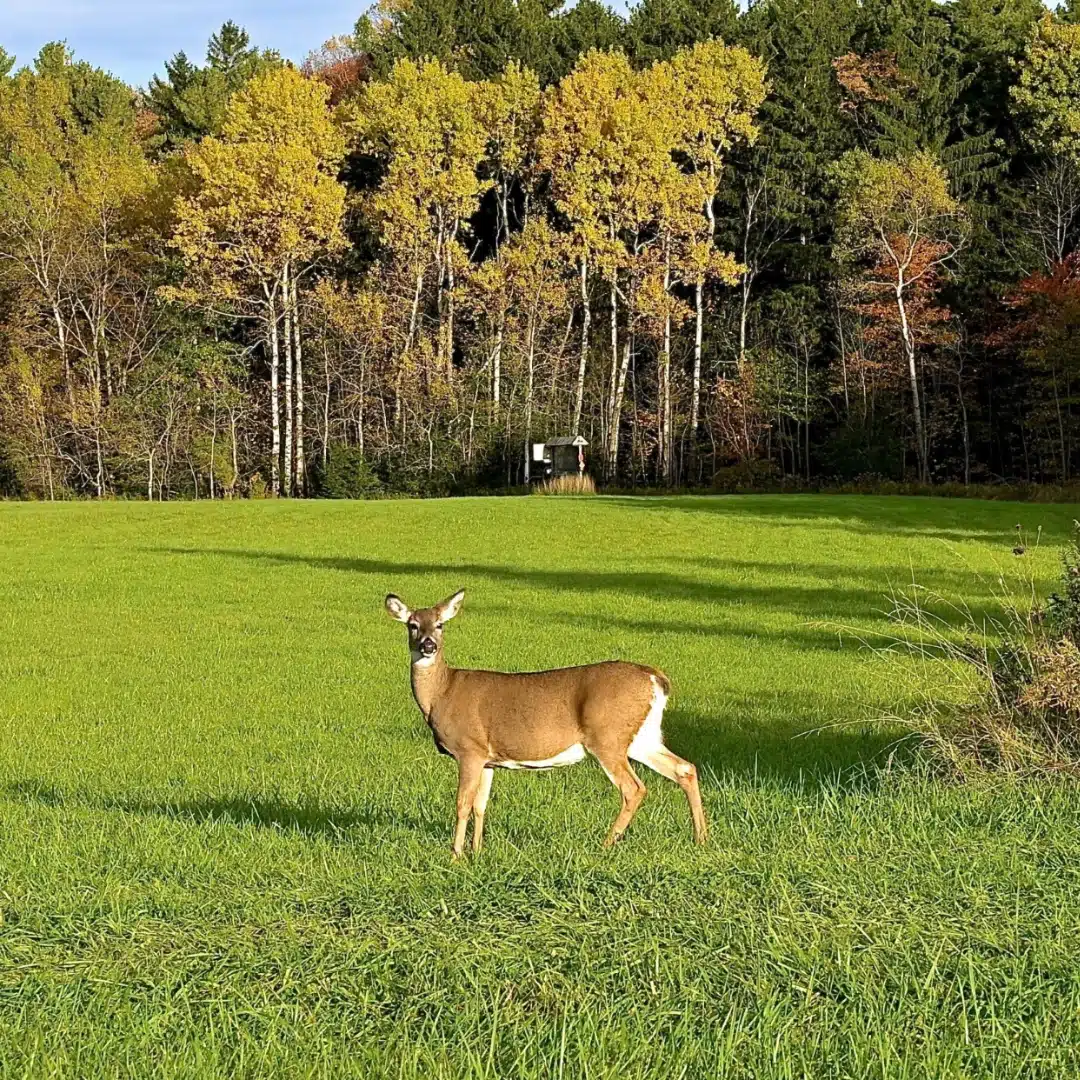
Park Deer
Graceful and curious, our local park deer are occasional visitors to the lake, especially during quieter times. Often seen grazing nearby or passing through, they add a touch of magic to the landscape with their elegant movements and gentle nature. Keep an eye out—you might just spot one in the early morning or at dusk!