







Hydrangeas are among the most rewarding flowering shrubs found in British gardens. Known for their large blooms, long flowering season, and ability to suit a wide range of garden styles, hydrangeas can provide colour and structure from summer through to autumn.
Whether you are creating a cottage garden, adding interest to a shaded border, or looking for a statement plant for a patio container, hydrangeas offer plenty of possibilities. With the right growing conditions and ongoing care, these plants can produce impressive displays year after year.
At Vanstone Park Garden Centre, we often meet gardeners who are surprised by just how adaptable hydrangeas can be. Understanding their needs from the outset can make all the difference when it comes to achieving healthy growth and abundant flowers.
Why Hydrangeas Remain a Favourite in British Gardens
Hydrangeas have become increasingly popular across the UK thanks to their versatility and reliability. They perform well in many parts of the country and can thrive in gardens ranging from compact urban spaces to larger rural landscapes.
Research published by the Royal Horticultural Society (RHS) continues to highlight hydrangeas as one of the UK’s most popular flowering shrubs due to their long-lasting blooms and suitability for different garden conditions.
Their appeal includes:
- Large, eye-catching flower heads
- A lengthy flowering season
- Tolerance of partial shade
- Strong architectural interest
- Suitability for borders and containers
- Excellent cut flowers for indoor displays
Wide varieties also provide seasonal interest through changing flower colours and attractive autumn foliage.
Choosing the Right Hydrangeas for Your Garden
Not all hydrangeas are the same. Selecting the right variety for your garden conditions is one of the most important steps towards success.
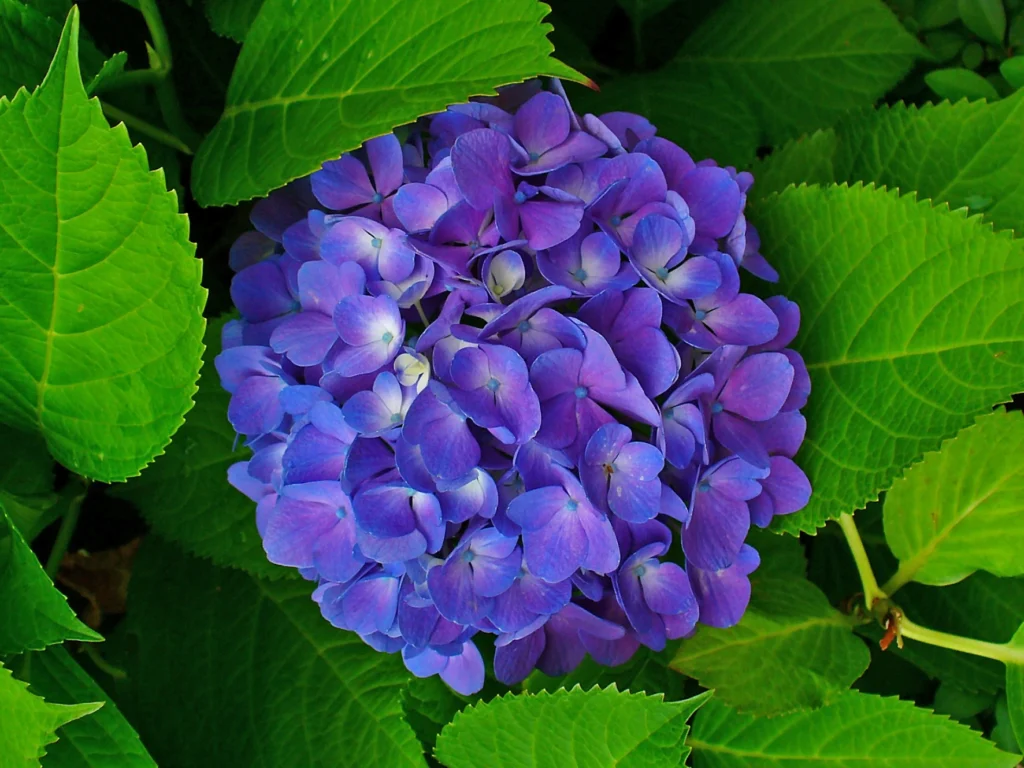
Mophead Hydrangeas
Hydrangea macrophylla, often called mophead hydrangeas, produces the classic rounded flower clusters many gardeners recognise immediately.
They are ideal for:
- Mixed borders
- Cottage gardens
- Sheltered positions
- Partial shade
Their flower colour can sometimes vary according to soil pH, producing pink, purple, or blue blooms.
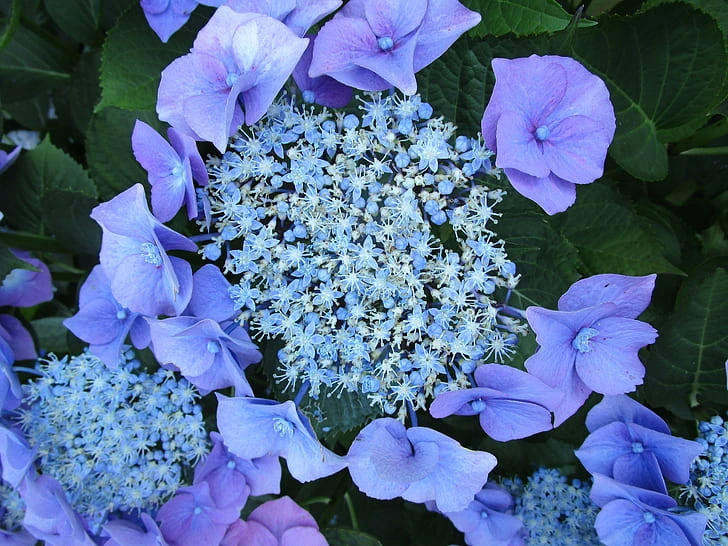
Lacecap Hydrangeas
Lacecap varieties feature flatter flower heads with delicate central flowers surrounded by larger outer petals.
Benefits include:
- A more natural appearance
- Excellent pollinator value
- Good performance in mixed planting schemes
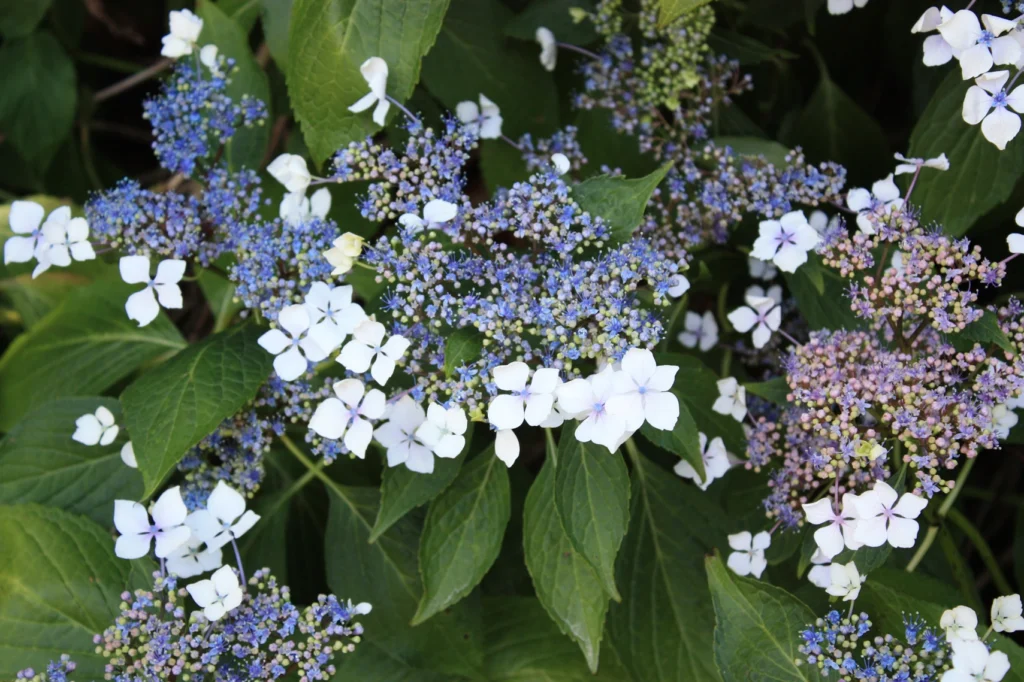
Panicle Hydrangeas
Hydrangea paniculata varieties produce cone-shaped flower clusters.
These varieties are known for:
- Greater sun tolerance
- Excellent hardiness
- Reliable flowering
- Attractive autumn colour
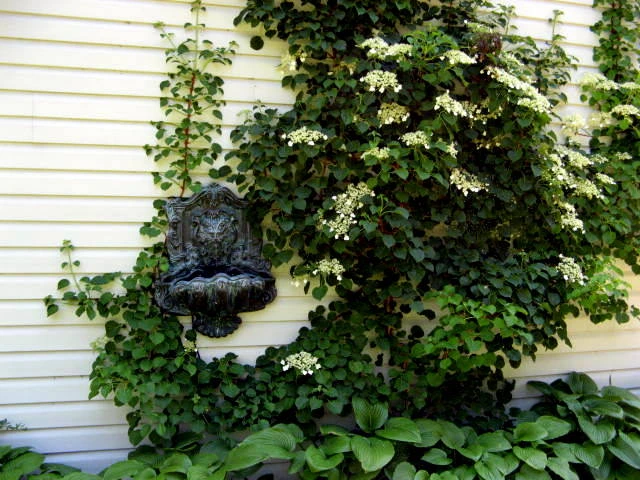
Climbing Hydrangeas
Perfect for walls, fences, and shaded structures, climbing hydrangeas can add vertical interest where many flowering plants struggle.
Hydrangea ‘Runaway Bride’
One particularly distinctive variety available through Vanstone Park Garden Centre is Hydrangea ‘Runaway Bride’.
Unlike many traditional hydrangeas that flower primarily at the ends of stems, ‘Runaway Bride’ produces flowers along the length of each branch. This creates an impressive cascading effect and significantly increases the number of blooms produced during the flowering season.
For gardeners seeking maximum floral impact from a single plant, it offers a striking option.
Where to Plant Hydrangeas
Hydrangeas are adaptable, but choosing the right location helps ensure healthy growth and abundant flowers.
Light Requirements
Most hydrangeas prefer:
- Morning sun
- Afternoon shade
- Bright, sheltered conditions
While some varieties tolerate full sun, prolonged exposure during hot weather can cause stress and wilting.
Soil Conditions
Hydrangeas generally thrive in:
- Moist but well-drained soil
- Fertile ground rich in organic matter
- Neutral to slightly acidic conditions
According to the RHS, improving soil with garden compost or well-rotted organic matter can significantly enhance moisture retention and root development.
Shelter from Wind
Large flower heads can become damaged during strong winds. Planting near hedges, fences, or sheltered borders can help protect developing blooms.
How Soil pH Affects Hydrangea Flower Colour
One of the most fascinating aspects of some hydrangeas is their ability to change colour according to soil conditions.
For certain Hydrangea macrophylla varieties:
- Acidic soil tends to produce blue flowers
- Neutral soil may result in purple blooms
- Alkaline soil often creates pink flowers
This natural colour variation is linked to the availability of aluminium within the soil.
The RHS provides detailed guidance on soil chemistry and hydrangea colour changes, making it an interesting area for gardeners who enjoy experimenting with planting conditions.
It is worth noting that white hydrangea varieties generally remain white regardless of soil pH.
Planting Hydrangeas Successfully
Best Time to Plant
Hydrangeas are best planted during:
- Spring
- Early autumn
These periods allow roots to establish before facing extreme weather conditions.
Step-by-Step Planting Guide
- Dig a hole twice the width of the root ball.
- Incorporate compost into the planting area.
- Position the plant at the same depth as it was in its pot.
- Backfill with soil and firm gently.
- Water thoroughly.
- Apply mulch around the base.
Mulching helps retain moisture and suppress weeds while gradually improving soil quality.
Watering Hydrangeas Throughout the Year
Hydrangeas have relatively high moisture requirements compared to many other shrubs.
Pay particular attention during:
- Newly planted establishment periods
- Hot summer weather
- Extended dry spells
Recent reports reveal that several recent years have experienced periods of unusually warm and dry weather across parts of the country, making consistent watering increasingly important for many garden plants.
A deep soak once or twice weekly is usually more beneficial than frequent shallow watering.
Container-grown hydrangeas often require additional attention as pots dry out more quickly than garden soil.
Feeding Hydrangeas for Strong Growth
Regular feeding can improve flowering performance.
Suitable options include:
- Balanced slow-release fertilisers
- Organic garden feeds
- Compost and well-rotted manure
Avoid excessive nitrogen-rich feeding, as this may encourage leafy growth at the expense of flowers.
Applying feed in spring as new growth begins is generally sufficient for most garden situations.
Pruning Hydrangeas Correctly
One of the most common mistakes gardeners make involves incorrect pruning.
Different hydrangea groups require different approaches.
Mophead and Lacecap Hydrangeas
These varieties flower on old wood.
Pruning should generally involve:
- Removing dead stems
- Cutting back faded flower heads in spring
- Retaining healthy buds below spent blooms
Panicle Hydrangeas
These flower on new wood and can tolerate more substantial pruning.
Annual pruning can:
- Improve plant shape
- Encourage stronger stems
- Promote larger flower displays
Understanding your hydrangea type before pruning is essential.
Common Hydrangea Problems and Solutions
Wilting Leaves
Possible causes include:
- Lack of water
- Excessive sun exposure
- Poor root establishment
Lack of Flowers
This may result from:
- Incorrect pruning
- Late frosts damaging buds
- Excessive shade
Yellow Leaves
Often linked to:
- Nutrient deficiencies
- Poor drainage
- Soil pH issues
Monitoring plants regularly helps identify problems before they become serious.
Supporting Pollinators with Hydrangeas
While some heavily cultivated varieties provide limited value for pollinators, lacecap hydrangeas can offer useful nectar sources.
The UK Centre for Ecology & Hydrology continues to highlight the importance of incorporating a diverse range of flowering plants into gardens to support pollinating insects.
Combining hydrangeas with:
- Lavender
- Salvia
- Verbena
- Hardy geraniums
Can create a more wildlife-friendly planting scheme.
Growing Hydrangeas in Containers
Hydrangeas are well-suited to container gardening.
Choose:
- Large pots with drainage holes
- Quality peat-free compost
- A sheltered position
Regular watering and feeding become particularly important when growing in containers.
Compact varieties and specimens such as Hydrangea ‘Runaway Bride’ can create impressive displays on patios, terraces, and balconies.
Seasonal Care Calendar for Hydrangeas
Spring
- Remove winter protection
- Apply mulch
- Feed plants
- Check for frost damage
Summer
- Water regularly
- Deadhead where appropriate
- Monitor for pests and disease
Autumn
- Enjoy late-season colour
- Reduce feeding
- Prepare for winter
Winter
- Protect vulnerable young plants
- Leave some flower heads intact for structure and frost interest
Suggested read: Sun or Shade? How to Choose the Right Winter Plants for Your Garden
Why Visit Vanstone Park Garden Centre for Hydrangeas?
Choosing healthy plants from a trusted garden centre can significantly improve long-term success.
As a family-run business serving gardeners since 1976, Vanstone Park Garden Centre offers expert advice alongside a carefully selected range of plants suited to UK growing conditions.
Whether you are planting your first hydrangea or expanding an established garden, speaking with knowledgeable staff can help you select varieties that match your soil, garden size, and growing conditions.
Frequently Asked Questions About Hydrangeas
Do hydrangeas grow better in sun or shade?
Most hydrangeas prefer morning sun with afternoon shade. Some panicle varieties tolerate more direct sunlight.
How often should I water hydrangeas?
Newly planted hydrangeas should be watered regularly. Established plants generally benefit from deep watering during dry periods.
Why are my hydrangeas not flowering?
Common causes include incorrect pruning, frost damage, excessive shade, or nutrient imbalances.
Can I grow hydrangeas in pots?
Yes. Hydrangeas perform well in containers provided they have adequate space, drainage, and regular watering.
Do hydrangeas change colour naturally?
Certain varieties can change colour depending on soil pH. Acidic soils tend to produce blue flowers, while alkaline soils often produce pink blooms.
When is the best time to plant hydrangeas?
Spring and early autumn are generally considered the best planting periods.
Discover More at Vanstone Park Garden Centre
Whether you are looking for your first hydrangea or searching for new varieties to enhance your garden, a visit to Vanstone Park Garden Centre is a great place to start. Our team is always happy to share practical gardening advice and help you choose plants suited to your outdoor space.
While you’re here, why not join our newsletter for seasonal gardening tips, inspiration, and updates from the garden centre? You can also become a member of our free rewards club to enjoy exclusive member benefits and offers throughout the year.
For a day out surrounded by plants, wildlife, and beautiful parkland, visit Vanstone Park Garden Centre at Hitchin Rd, Codicote, Herts, SG4 8TH. We look forward to welcoming you and helping you create a garden filled with stunning hydrangeas.