

EntranceFebruary might still have a chill in the air, but don’t be fooled, spring is peeking just around the corner. The days are growing longer, bulbs are pushing through the soil, and your garden is itching to wake up from its winter nap.
While it’s tempting to rush into planting everything in sight, the key this month is preparation. From pruning and soil care to early sowing and wildlife support, February sets the stage for a thriving spring garden.
1. Prune Shrubs and Shape Up the Garden
If some of your shrubs and trees have become a little unruly (as many do over winter), now’s the time to give them a light trim. Cut out dead or crossing branches and gently shape overgrown areas.
Avoid going overboard; a harsh prune can encourage excessive growth later. Focus instead on tidying the structure and improving airflow. Late-flowering shrubs like buddleia and lavatera respond well to a hard prune, meaning you can cut them close to the ground, leaving a couple of buds per stem.
2. Replant and Divide Snowdrops
Snowdrops are the cheerful little messengers of early spring. If yours are flowering beautifully, multiply the magic by dividing and replanting clumps once the flowers start to fade.
Gently dig up the bulbs “in the green” (while still leafy) and tease them apart. Replant them in groups of five or more for natural-looking clusters that will multiply over the years.
3. Prepare Houseplants for a New Season
Indoor plants are also readying themselves for longer days. Move them closer to bright windows to soak up the extra daylight, but keep them away from cold drafts.
Now’s a good time to:
- Wipe down dusty leaves to improve photosynthesis.
- Check the roots and repot any that are crowded using a peat-free, nutrient-rich compost.
- Start feeding lightly with a diluted liquid fertiliser to support fresh growth.
A watering tip? Check the soil before you water. If it feels damp, wait a few days. Overwatering is the quickest way to cause root rot, and no plant appreciates having its feet in soggy soil.
4. Prepare and Enrich the Soil
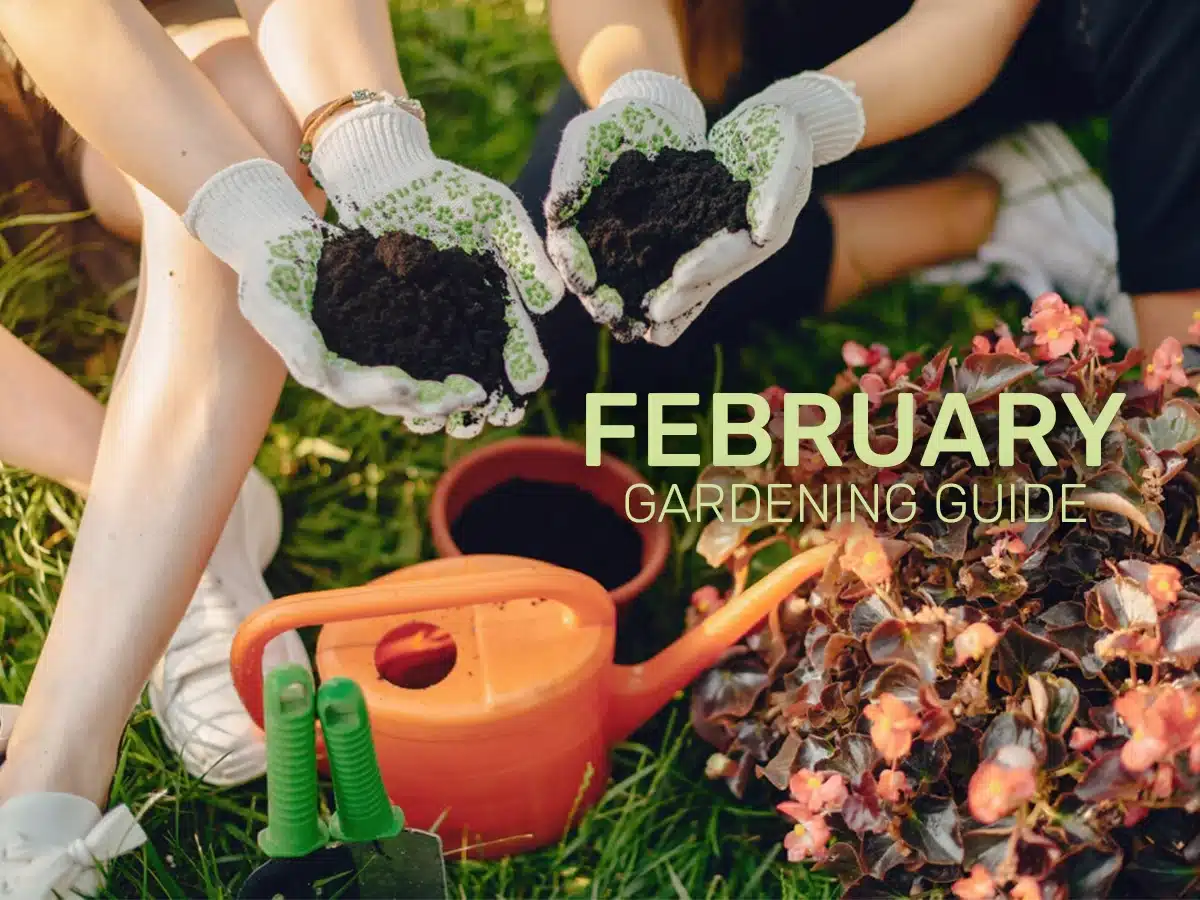
Good gardens are built on good soil. February is ideal for incorporating natural nutrients into the soil, giving your plants a strong foundation when spring arrives.
Add well-rotted compost, organic matter, or a balanced natural fertiliser to nourish your beds. This improves soil structure, boosts microbial activity, and prepares the ground for sowing and planting.
Work the feed evenly into the soil on a mild day when it’s neither frozen nor waterlogged.
5. Cut Back Ornamental Grasses
Most ornamental grasses look stunning through winter, but start to look scruffy by February. Give them a good tidy-up by cutting back dead stems to around 10cm above the ground.
Be gentle; you don’t want to accidentally snip the new green shoots that are already emerging among them. Once done, your borders will look neat and ready for the growing season.
6. Start Sowing for Summer Colour
If you’re dreaming of flower beds bursting with colour come summer, start sowing now. Seeds like begonias and snapdragons need a long growing season, so sow them in trays indoors or in a heated propagator to give them a head start.
Sweet peas can also be sown this month. If you started some in the autumn, repot them into larger containers. For new sowings, please keep them in a cool greenhouse. By summer, you’ll be rewarded with their gorgeous fragrance and climbing blooms.
7. Mulch and Improve the Soil
Mulching isn’t just about neatness; it’s an all-around garden superhero move. A layer of organic mulch (like compost, bark, or well-rotted manure) helps retain moisture, regulate soil temperature, and suppress weeds.
Spread it over borders, vegetable beds, and around trees and shrubs. As it breaks down, it releases nutrients into the soil, naturally feeding plants and improving soil texture.
8. Finish Winter Digging
If you didn’t manage to complete winter digging in January, this is your last chance. Focus on new plots and empty beds, but avoid working the soil if it’s frozen or waterlogged. That only leads to clumping and compacted soil.
Select a dry spell, dig over the soil lightly, and mix in some compost. It’ll make all the difference come planting season.
9. Kitchen Garden Jobs
Lime Vegetable Beds
Vegetables such as cabbage, sprouts, and cauliflower prefer slightly alkaline soil. Add garden lime now (at least two months before planting) to adjust pH levels. This helps prevent club root and improves yield later on.
Prepare for Early Sowing
To get an early start, pre-warm the soil for seeds like lettuce, broad beans, peas, and spinach by covering the bed with cloches or fleece. After a couple of weeks, rake the soil to a fine tilth, water the drill lightly, and sow on a mild day.
Plant Rhubarb Crowns
February is the perfect time to plant or divide rhubarb crowns. Select a sunny spot with rich, well-draining soil and incorporate plenty of well-rotted manure to promote vigorous growth.
Dig Trenches for Runner Beans
If you plan on growing runner beans, dig trenches around 45cm deep and line them with compost or manure. This helps retain moisture and gives roots a nutrient boost once planted.
10. Fruit Trees and Bushes
Finish pruning apple and pear trees before the sap starts to rise. Aim to remove around 10–20% of the canopy, focusing on dead, diseased, or crossing branches.
Avoid pruning plums, cherries, or nectarines now, as they’re prone to silver leaf fungus when cut in winter.
Feed all fruit trees and bushes with a general-purpose fertiliser to prepare for a healthy crop later in the year.
11. Lawn Care and Repairs
On mild days, give your lawn a light trim to tidy winter growth, but keep the mower blades high. If you spot any hollows or bumps, use a spade to cut an “H” shape in the turf, peel back the flaps, and level the soil underneath.
If you’re planning to sow a new lawn in spring, dig over the area now to loosen the soil and prepare it for seeding.
12. Bird Care and Nesting Season
Natural food sources are scarce in February, so keep your feeders well-stocked with high-energy foods like suet, seeds, and peanuts.
This month also marks National Nest Box Week, a perfect reminder to install or clean out nest boxes before birds start pairing up. Place them facing between north and east to avoid direct sunlight and strong winds.
Your efforts will be rewarded with the cheerful sounds of morning birdsong and a healthier, more vibrant ecosystem in your garden. Visit Vanstone Park Garden Centre, and check out our wildlife, bird and pet care items!
Frequently Asked Questions: February Gardening Guide
Can I start sowing seeds outdoors in February?
Only if the weather is mild and the soil isn’t frozen. Use cloches or fleece to pre-warm the soil for early crops, such as lettuce or broad beans.
What should I prune in February?
Prune apple and pear trees, late-flowering shrubs, and any overgrown deciduous bushes. Avoid pruning plums and cherries this month.
How do I care for snowdrops after they have flowered?
Divide and replant clumps “in the green” (while leaves are still attached) to encourage them to multiply naturally for next year.
Should I mow my lawn in February?
Only if it’s mild and dry enough, set your mower blades high and give it a light trim to keep it tidy.
What should I feed my soil with in February?
Apply compost, well-rotted manure, or a balanced organic fertiliser to enrich the soil ahead of spring planting. For more information on how to keep your soil healthy during the spring time, check out Vanstone’s garden care products.
How can I help birds during cold weather?
Keep feeders stocked with high-energy foods, such as seeds, peanuts, and suet. Provide fresh water daily and add or clean nest boxes for early nesting birds.
Bring Your Garden Back to Life This Spring!
Spring is just around the corner, and there’s no better time to start preparing your garden for the brighter days ahead. Visit Vanstone Park Garden Centre for everything you need to refresh your space, from vibrant new plants and quality compost to beautiful garden décor and climbing favourites.
Sign up for our Vanstone Newsletter to receive seasonal gardening tips, updates on new arrivals, and exclusive offers straight to your inbox.
And don’t forget your Vanstone Rewards Card, which earns points every time you shop and enjoy special perks designed to make your gardening experience even more rewarding.
📍 Visit us today at Vanstone Park Garden Centre